Asset finance for UK businesses
Introductions to UK asset finance specialists for plant, machinery, vehicles and equipment. Options typically include hire purchase, finance lease and refinance of existing assets.
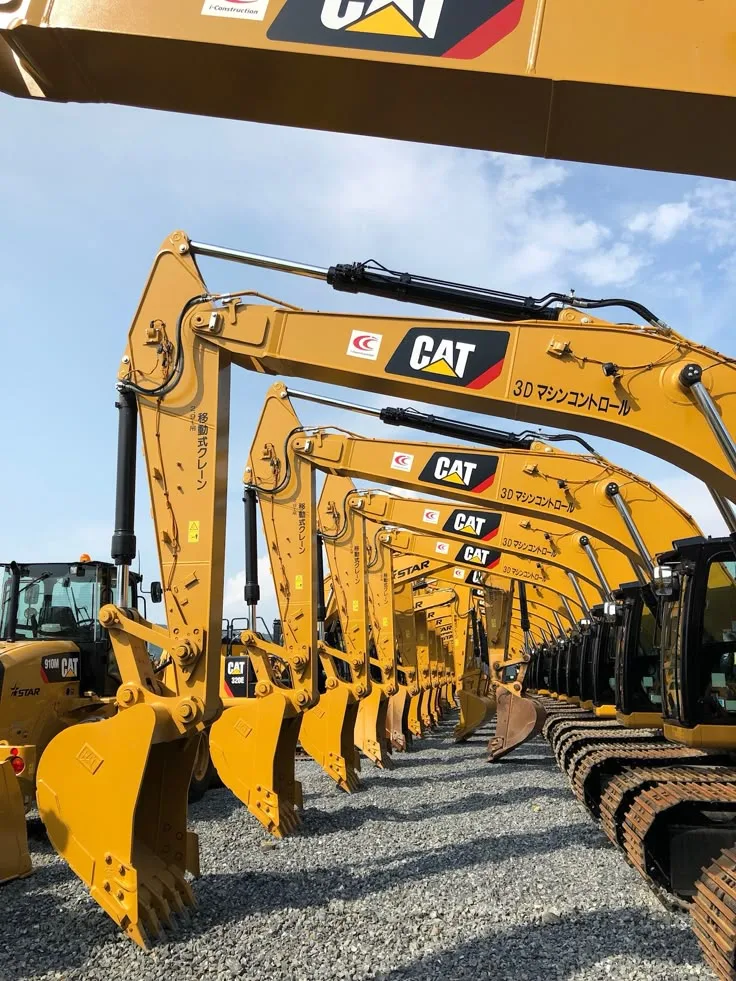 Heavy commercial equipment suitable for asset finance and plant finance.
What is the difference between hire purchase and a finance lease?
With hire purchase, the business pays for an asset in instalments and normally takes ownership once the final payment is made. With a finance lease, the business uses the asset for most of its working life while the finance provider remains the legal owner.
Worth knowing: Accounting and tax treatment differ between the two. Ask your accountant how each would be treated for your business.
Hire purchase usually suits businesses that want to own the asset in the end. A finance lease usually suits businesses that want to use an asset without owning it, with options at the end of the term set by the agreement.
Read about hire purchaseAt a glance
| Finance type | Asset Finance |
|---|---|
| Coverage | UK-wide, London-priority |
| Service | Introduction to a UK finance specialist. Bridge is not a lender. |
| Typical timeframe | Assessment takes minutes. Onward timelines are set by the specialist you speak with. |
| Advice status | Not regulated financial advice. |
Common use cases
- Purchasing new or used commercial vehicles and fleets
- Plant, machinery and manufacturing equipment
- IT, technology and specialist industry equipment
- Refinance of existing owned assets to release working capital
Who it may suit
- UK-registered trading businesses
- Businesses acquiring or refinancing tangible assets
- Preference for structured, asset-secured funding
- Clear operational use case for the asset
Availability, terms and eligibility are determined by the specialist you speak with.
Next step, start the Bridge Funding Assessment or read how Bridge Commercial Finance introductions work. You can also compare every option on the UK commercial finance solutions overview or explore Scottish commercial mortgage coverage.
What is asset finance?
Asset finance is a funding solution that helps businesses spread the cost of acquiring essential assets while managing cash flow. It is commonly used for commercial vehicles and fleets, plant and machinery, manufacturing equipment, technology and IT systems, specialist industry equipment, or to release capital from existing assets. The most suitable structure depends on the asset, business circumstances and provider criteria.
Bridge is an introduction service only. We do not lend money and do not provide regulated financial advice, any lending decision, terms and eligibility are determined by the specialist provider. See every option on the UK commercial finance overview.
Common asset finance options
| Finance type | How it works |
|---|---|
| Hire Purchase | Business pays for an asset over an agreed term and may own it after completion |
| Finance Lease | Business uses an asset while making structured payments |
| Asset Refinance | Existing assets may be used to release working capital |
| Equipment Finance | Funding designed around business equipment requirements |
Assets commonly financed
| Asset category | Examples |
|---|---|
| Vehicles | Vans, commercial vehicles and fleet requirements |
| Machinery | Manufacturing, engineering and production equipment |
| Construction assets | Plant, tools and specialist equipment |
| Technology | IT systems, hardware and business technology |
| Specialist equipment | Industry-specific operational assets |
Asset finance vs other funding options
| Finance type | Common purpose |
|---|---|
| Asset Finance | Funding equipment, vehicles and operational assets |
| Commercial Mortgage | Funding commercial property |
| Business Loan | General business investment and growth |
| Invoice Finance | Releasing cash tied up in invoices |
Property construction projects are usually funded through development finance rather than asset finance.
Asset finance process
- 1Requirement review
Understand the asset and business objective
- 2Finance assessment
Consider possible funding routes
- 3Introduction
Connect with an appropriate specialist
- 4Provider assessment
Specialist completes application and underwriting
Tell Bridge about your equipment or funding requirement through the confidential Funding Assessment.
Who may consider asset finance?
- Established trading businesses
- Companies investing in growth
- Businesses replacing or upgrading equipment
- Organisations wanting to preserve working capital
- Businesses with a clear operational use for the asset
Eligibility and availability are determined by the specialist provider. Businesses funding premises instead may consider a commercial mortgage.
Why businesses use Bridge Commercial Finance
- Confidential Funding Assessment
- Clear understanding of the business requirement
- Introduction to relevant providers
- UK-wide specialist coverage
- Straightforward initial process
Bridge is an introduction service only and does not provide regulated financial advice, read how introductions work.
Asset finance guides and coverage
Detailed asset finance pages covering individual funding structures and the UK cities where Bridge makes introductions.
This page is the broad overview. Each page below covers one specific use, location or sector on its own, so you can go straight to the one that matches your requirement.
Guides and options
Guides and answers
Background reading on this type of finance. Information only, not financial advice.